
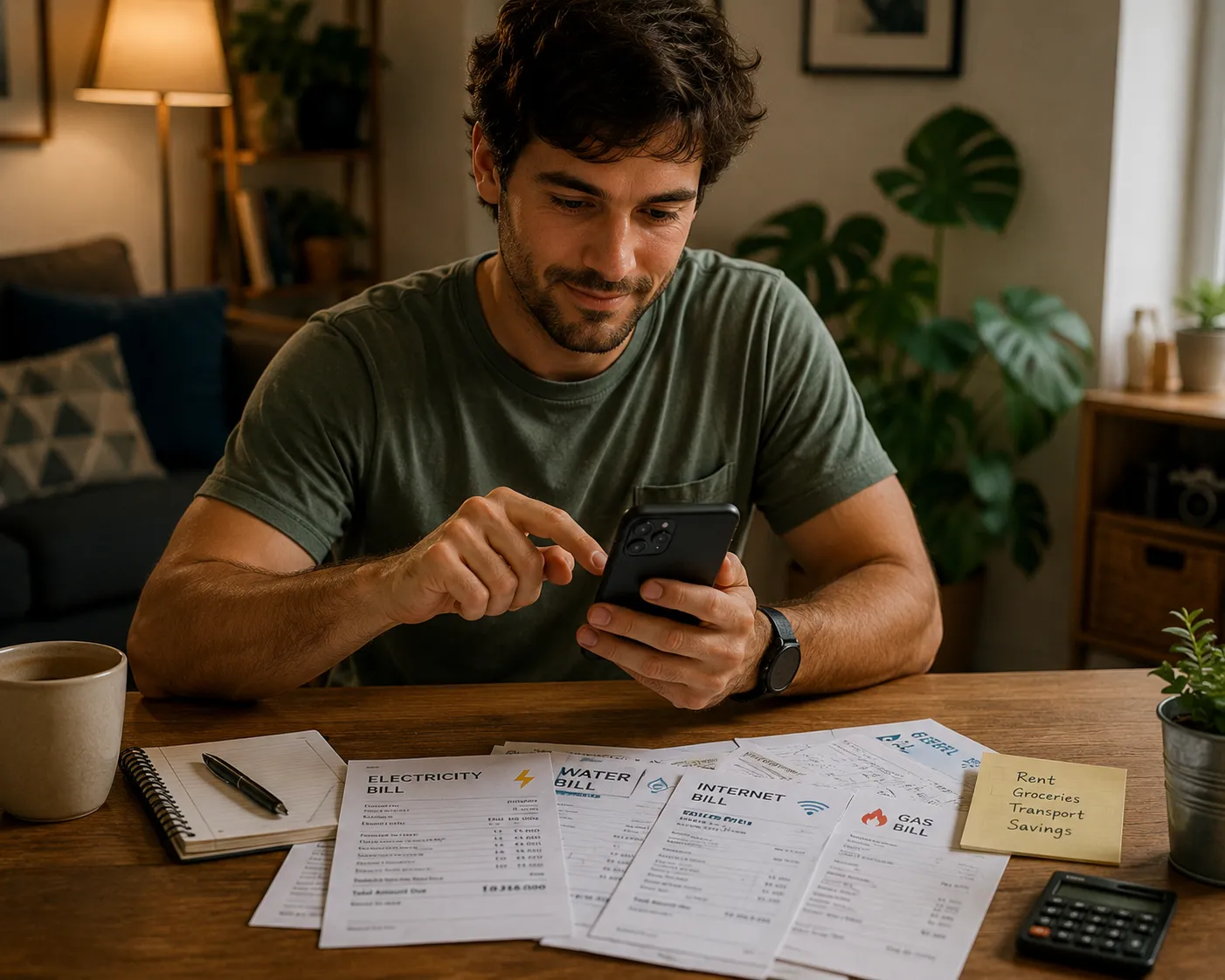
How to Track Expenses: 10 Simple Ways to Stay on Budget
Tracking expenses is one of the simplest habits you can build to improve your financial health.
Whether you're trying to stick to a budget, split household costs, save for a vacation, or simply understand where your money goes each month, recording your expenses gives you the information you need to make better decisions.
The good news is that expense tracking doesn't have to be complicated. With a consistent system and the right tools, it can become part of your daily routine in just a few minutes.
In this guide, you'll learn how to track expenses effectively, common mistakes to avoid, and which methods work best for different situations. Whether you call it expense tracking or simply keeping track of your expenses, the underlying habit is the same.
What Is Expense Tracking?
Expense tracking is the process of recording money you spend so you can understand where your money goes, how much you're spending, which categories consume most of your budget, and whether you're staying within your financial goals.
Unlike budgeting, which plans future spending, expense tracking records what has already happened. Together, they provide a complete picture of your finances.
Why Tracking Expenses Matters
Many people underestimate how much they spend each month. Small purchases - coffee, food delivery, subscriptions, parking - often add up faster than expected.
Tracking expenses helps you build better financial habits, stay within your budget, prepare for recurring bills, spot unnecessary spending, plan for future goals, and reduce financial stress.
If you share expenses with other people, it also creates transparency and prevents misunderstandings.
Step 1: Decide What You Want to Track
Not everyone needs to track the same expenses.
Personal spending - food, entertainment, shopping, transportation.
Household expenses - rent, utilities, groceries, cleaning supplies.
Travel expenses - hotels, flights, restaurants, attractions.
Shared expenses - roommates, couples, family, friends.
Choose categories that match your financial goals.
Step 2: Pick a Tracking Method
Notebook - simple, portable, works offline. Best for people who prefer writing things down.
Spreadsheet - popular because it's flexible, ideal if you enjoy creating your own formulas and reports. The downside is that every calculation has to be maintained manually.
Expense tracking app - the easiest option for most people. Apps automatically organize expenses, calculate totals, track categories, sync across devices, and generate reports. For shared expenses, dedicated apps also calculate balances between people.
Step 3: Record Expenses Immediately
One of the biggest reasons expense tracking fails is waiting too long. Instead of trying to remember purchases at the end of the week, record them as they happen. This takes only a few seconds and produces much more accurate records.
Step 4: Organize Expenses by Category
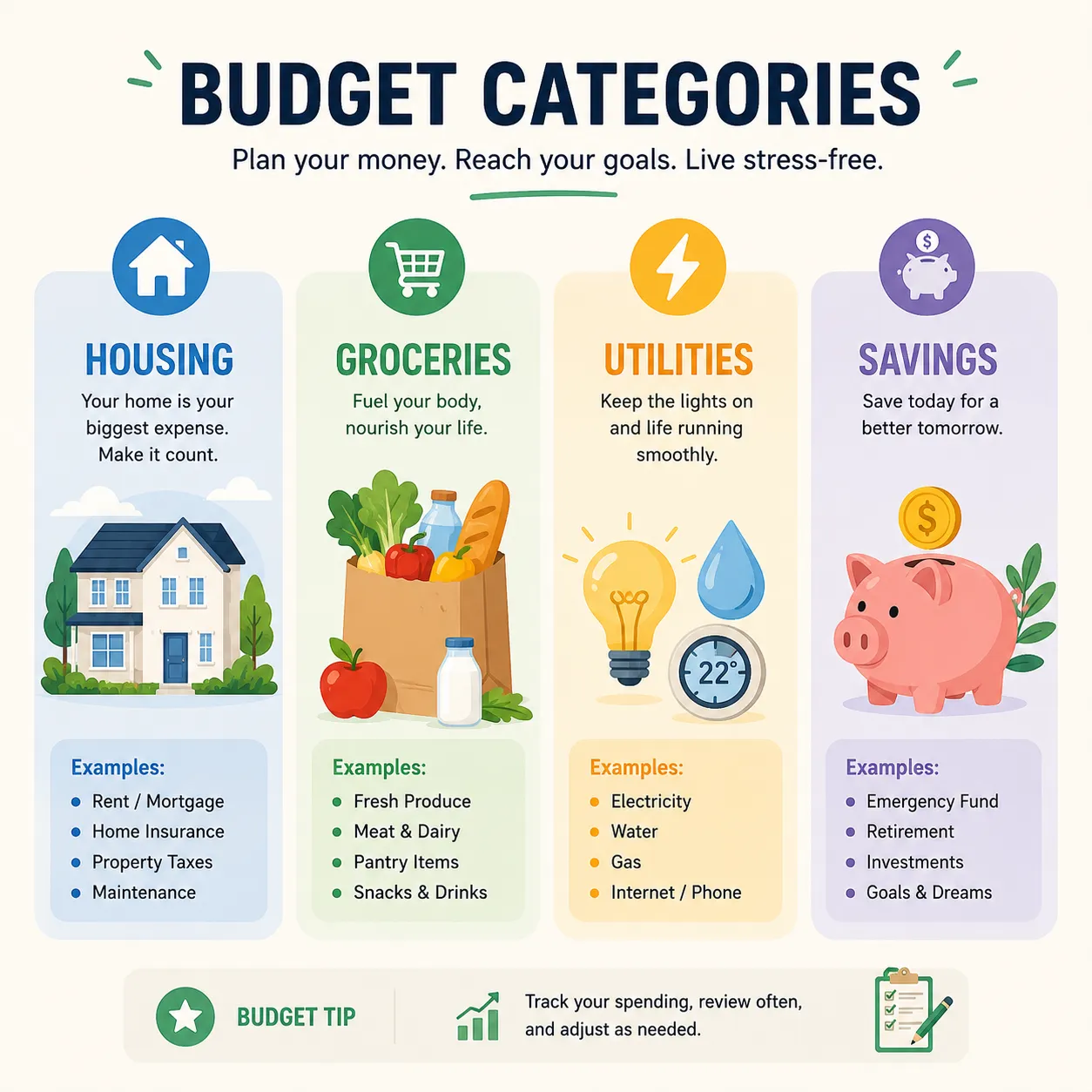
Grouping expenses makes spending patterns easier to understand. Common categories include housing (rent, mortgage, utilities), food (groceries, restaurants, coffee), transportation (fuel, parking, public transport), entertainment (streaming subscriptions, movies, hobbies), shopping (clothing, electronics, household items), and travel (hotels, flights, activities).
Step 5: Review Your Spending Regularly
Recording expenses is only the first step. Set aside time each week or month to review total spending, largest categories, unexpected purchases, and progress toward savings goals.
The goal isn't perfection - it's awareness.
Common Expense Tracking Mistakes
Waiting until the end of the month - trying to remember dozens of purchases almost always leads to missing expenses.
Ignoring small purchases - many people record large expenses but ignore coffee, snacks, parking, and app subscriptions. Small purchases often have the biggest long-term impact.
Creating too many categories - complicated systems are difficult to maintain. Start with broad categories and refine them later if needed.
Forgetting shared expenses - if you live with roommates or travel with friends, shared purchases should also be recorded. Otherwise, it becomes difficult to settle balances accurately.
How to Track Shared Expenses
Tracking shared expenses requires more than recording what you spent. You also need to know who paid, who participated, how costs are divided, and current balances.
Expense-sharing apps automate these calculations, making them much easier than using spreadsheets.
How Squara Makes Expense Tracking Easier
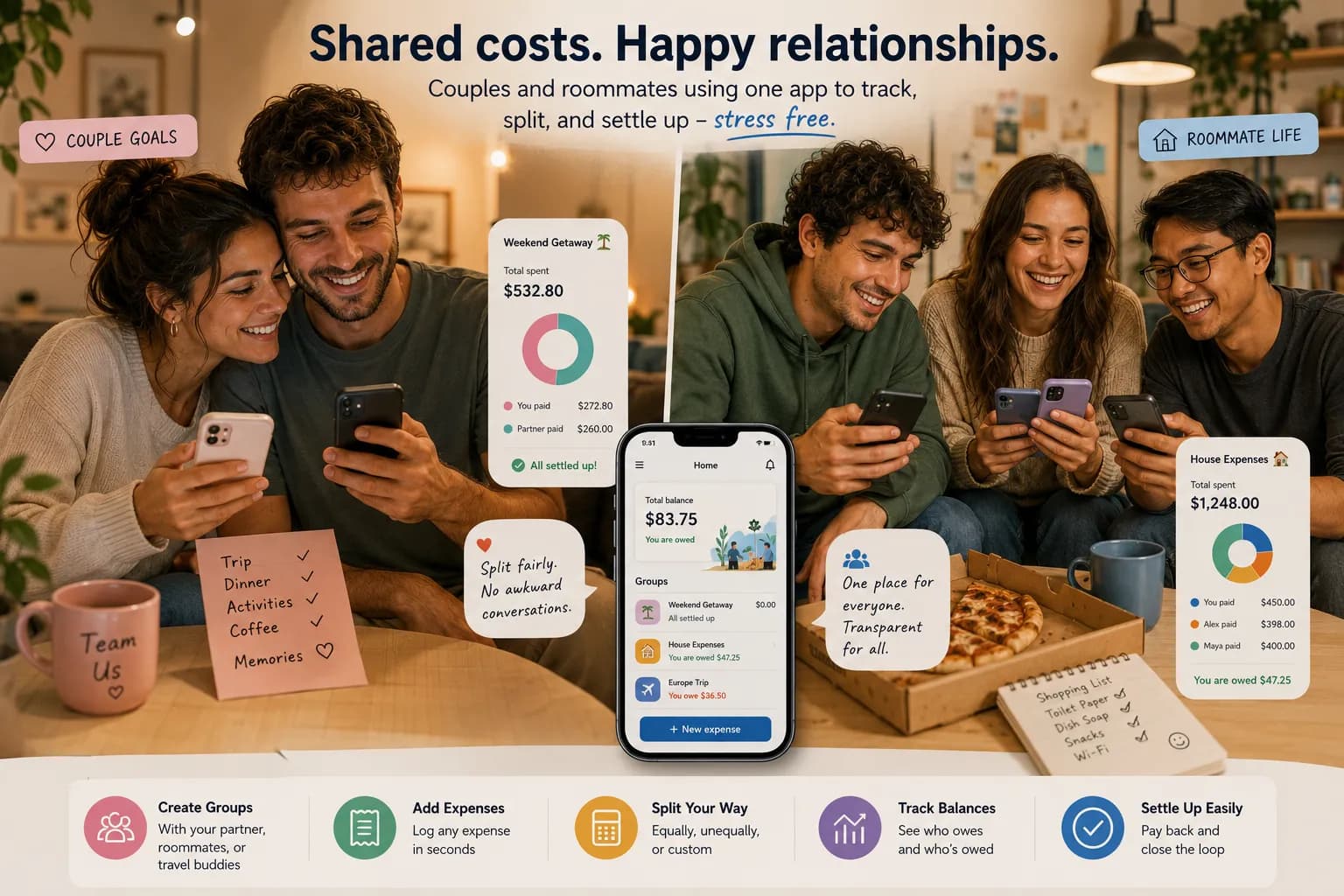
While many apps focus only on personal budgeting, Squara is built around shared expenses. It's designed for roommates, couples, families, friends, and travel groups.
Features:
- Unlimited expense tracking
- Equal, percentage, and custom splits
- Multi-Currency Insights
- Activity history
- Settlement confirmation
- Cloud synchronization
- No advertisements
- Recurring expenses (Premium)
Instead of trying to remember who paid for groceries or whether someone reimbursed you, Squara keeps a complete, shared record that everyone can trust.
Tips for Building the Habit
Track every day - the less time between spending and recording, the more accurate your records will be.
Keep categories simple - five to ten categories are usually enough for most people.
Review weekly - a quick weekly review is often easier than a long monthly review.
Be consistent - expense tracking works because it's repeated consistently, not because every entry is perfect.
10 Habits to Keep Track of Your Expenses
1. Record expenses immediately - the longer you wait, the more likely you are to forget.
2. Keep categories simple - five to ten categories are usually enough.
3. Review your spending weekly - a short review each week helps you notice patterns before they become expensive habits.
4. Track small purchases too - coffee, snacks, and parking often have the biggest long-term impact.
5. Use the same system every day - whether it's a spreadsheet or an app, consistency matters more than the tool itself.
6. Separate personal and shared expenses - if you live with roommates or share expenses with your partner, keep shared purchases in one place so everyone has the same information.
7. Plan for recurring bills - monthly expenses like rent, internet, and subscriptions are easy to overlook because they happen automatically.
8. Check your progress - look for categories that exceed your expectations, subscriptions you no longer use, and opportunities to save.
9. Don't aim for perfection - missing one or two expenses won't ruin your progress. The goal is consistency, not perfection.
10. Choose tools you'll actually use - the best expense tracker is the one that fits naturally into your routine.
Why People Actually Stop Tracking Expenses
One thing I noticed while building Squara is that most people don't stop tracking expenses because it's difficult - they stop because it becomes tedious. If recording an expense takes too long or requires updating a spreadsheet later, people eventually give up. That's why I focused on making expense entry fast and keeping the app out of the way. The easier it is to record an expense in the moment, the more accurate your records become, and the more useful those records are weeks or months later.
Final Thoughts
Learning how to track expenses is one of the most valuable financial habits you can develop. Whether your goal is saving money, sticking to a budget, or managing shared household costs, the key is consistency.
Choose a system that fits your lifestyle, record expenses as they happen, and review your spending regularly. Over time, you'll gain a much clearer understanding of where your money goes and where you can make improvements.
If your expenses involve other people - roommates, your partner, family members, or travel companions - a dedicated shared expense tracker like Squara can simplify the process even further by keeping everyone on the same page and eliminating manual calculations. If you're tracking mostly your own spending, see our Best Personal Expense Tracker Apps guide.
Frequently asked questions
Related articles
 Expense Tracking
July 2, 2026 · Artyom
Best Expense Tracking Apps (2026): Free & Paid Apps Compared
Discover the best expense tracking apps for budgeting, shared expenses, travel, roommates, couples, and personal finance. Compare features, pricing, and free plans.
 Expense Tracking
July 6, 2026 · Artyom
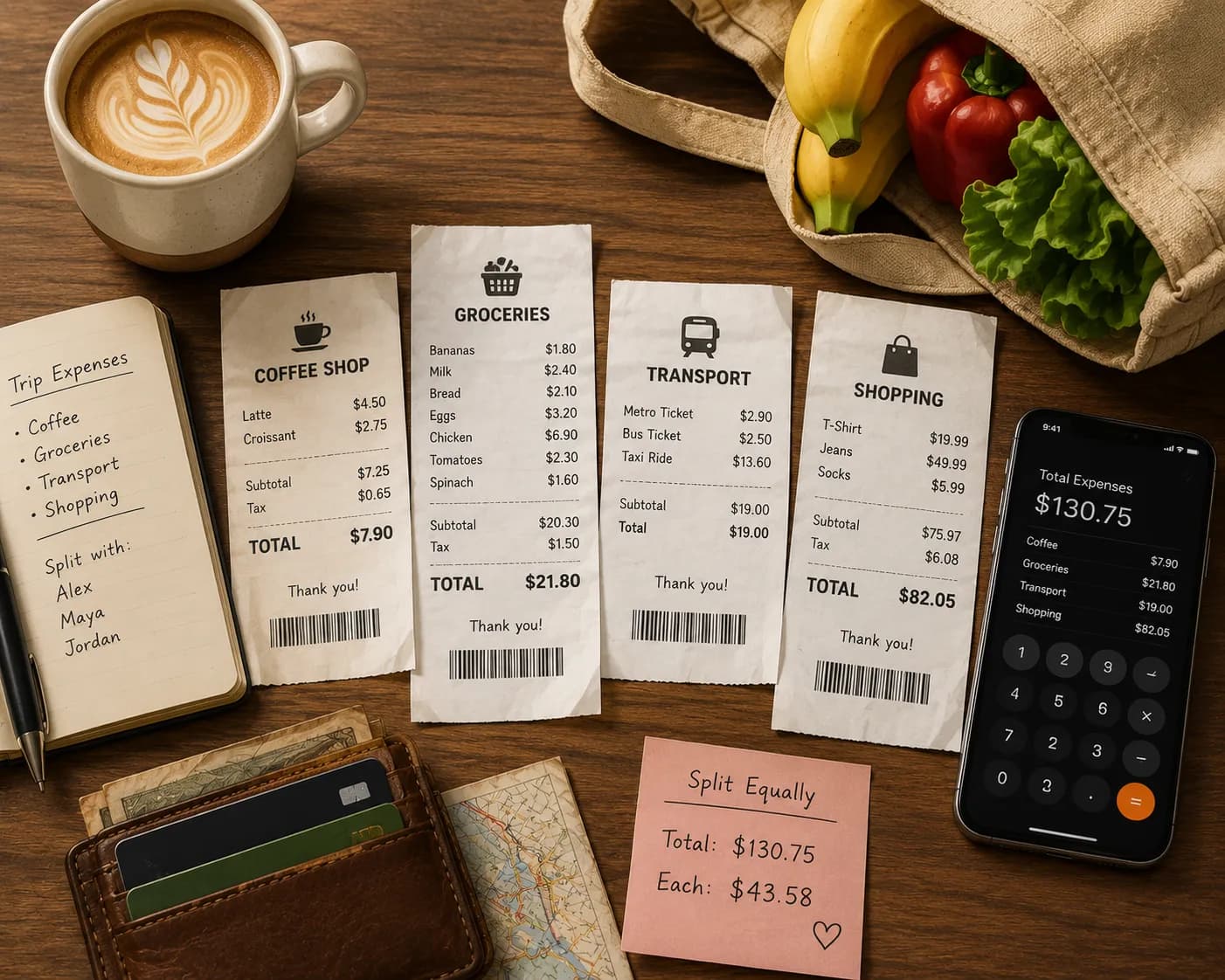
Best Personal Expense Tracker Apps (2026) – Free & Paid Options
Discover the best personal expense tracker apps for managing your spending, tracking daily expenses, building better financial habits, and organizing your money.
 Couples
June 20, 2026 · Artyom
Budgeting as a Couple: How to Manage Money Together (2026)
Learn how to budget as a couple, combine finances without stress, split expenses fairly, and create a budget that works for both partners.
Squara is available on iOS and Android
Download it now, or leave your email for product updates.